Gutter guide
Downspouts and Basement Water
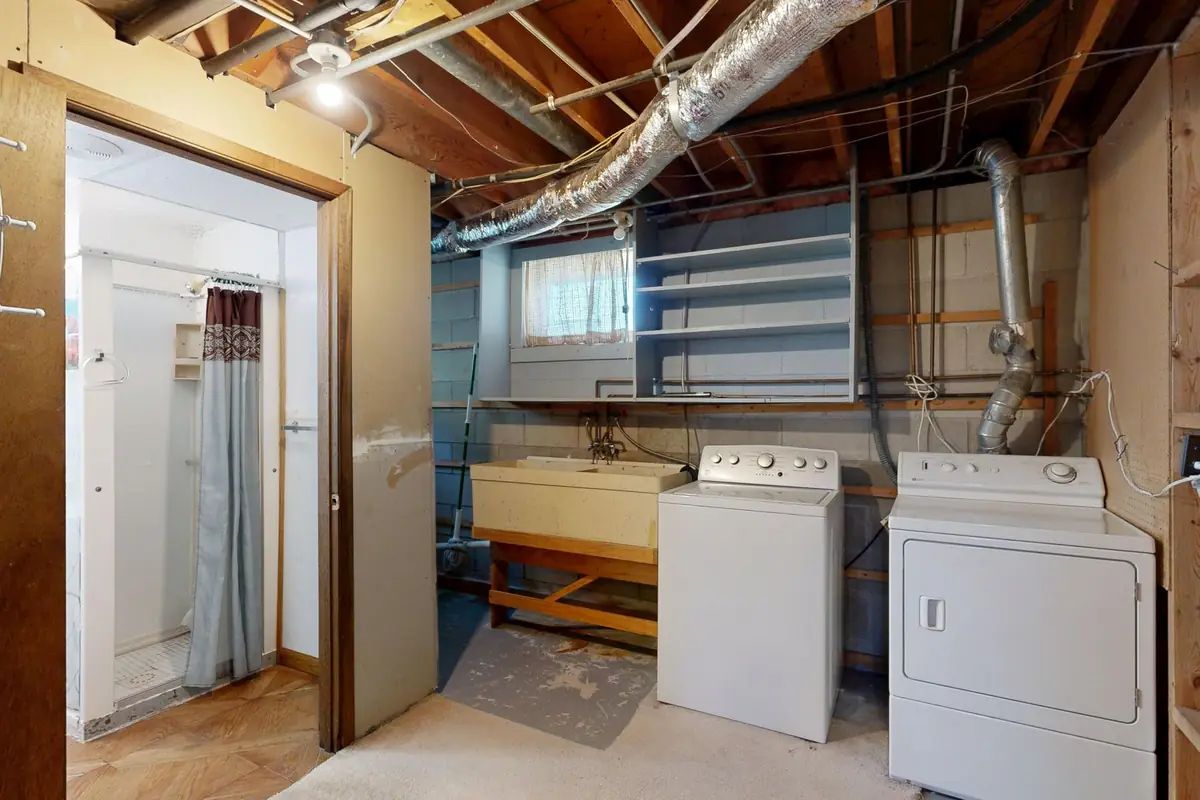
A damp basement after rain often starts at the roof.
Roof water adds up
A single inch of rain on an average roof produces a lot of water, and gutters funnel nearly all of it to a few downspouts. If those downspouts empty next to the foundation, the soil there gets soaked and water can push into basement walls and floor joints.
Signs the gutters are to blame
- Basement dampness or seepage near a downspout.
- Washed-out soil or mulch below gutters or downspouts.
- Water pooling along the foundation after rain.
- Overflow marks on siding or brick.
Simple fixes
- Keep gutters and downspouts clean.
- Add extensions or splash blocks to carry water several feet away.
- Grade soil so it slopes away from the house.
- Add downspouts on long runs that overflow.
- Consider rain barrels where appropriate.
The EPA's Soak Up the Rain program has ideas for managing roof runoff on residential lots.
Underground downspout pipes
Some older Warren homes have downspouts connected to underground pipes. These can clog, crack or be tied to older drains. Check with the City of Warren before changing connections.
Moisture and mold
Persistent dampness can lead to mold. The EPA guide to mold and moisture explains why controlling moisture matters. This site does not offer basement waterproofing or mold services; gutter and downspout fixes are often the first step.
This guide is general information for homeowners, not legal, insurance, health or other professional advice. Rules and conditions change, so check the linked official sources.
Prefer to talk to someone?
Call to reach an independent local gutter contractor.